AGP Executive Report
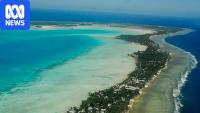
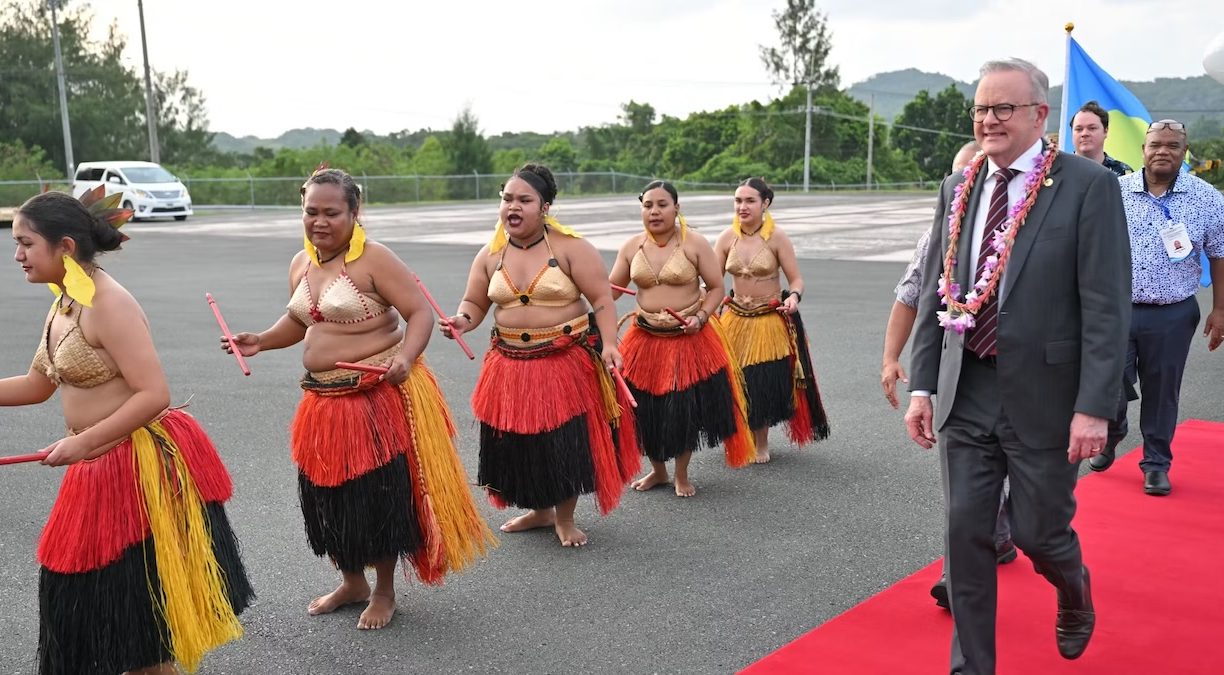
Last update: 2 hours agoPacific Islands Forum in Palau: Leaders’ talks are underway in Koror, but the mood is tense—several heads of state are missing, and China is reportedly unhappy about Taiwan’s presence, raising fresh questions about unity and outside influence. Blue Pacific unity vs rivalry: Commentators frame the “Blue Pacific Ocean of Peace Declaration” as a centripetal pull for peace and prosperity, while warning that great-power competition keeps creating centrifugal pressure. Taiwan back at the table: Taiwan is set to participate again after last year’s exclusion controversy, with Beijing urging the Forum to stick to the “one-China principle.” Kiribati diplomacy shift: Kiribati is considering a constitutional change that could make it harder for future governments to switch recognition away from China, tightening rules around ties with non-UN-recognised states. Connectivity for everyday life: A landmark East Micronesia Cable is now delivering faster, more reliable internet to Tarawa and Naoero, supporting services and community connections. Sports and culture: Australia announced $15.6m to help Pacific athletes reach Brisbane 2032, and South Island rangatahi are using the Māfana show to strengthen Pacific cultural identity through dance and music.
Note: AI summary from news headlines; neutral sources weighted more to help reduce bias in the result. Feedback is welcome. Please let us know if you have any comments or suggestions about the AGP Executive Report.
 Perspectify News